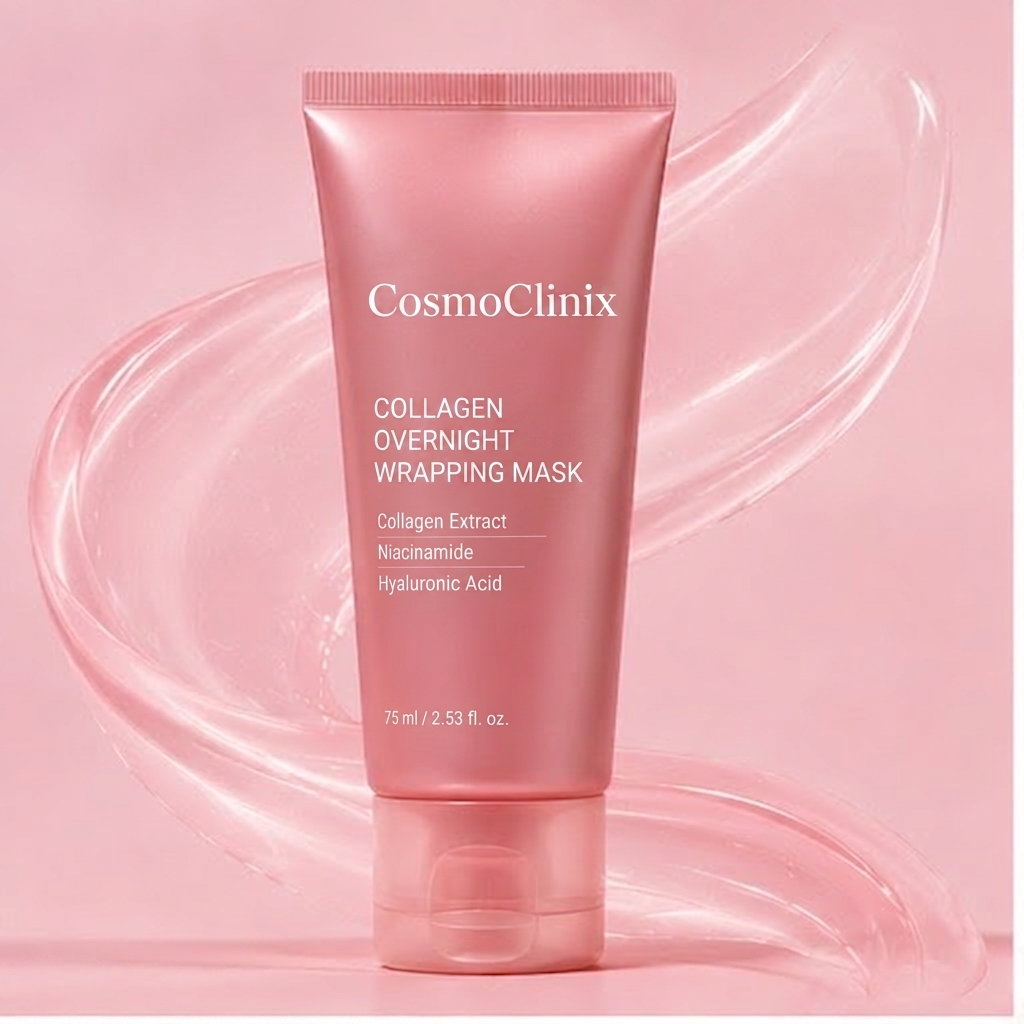
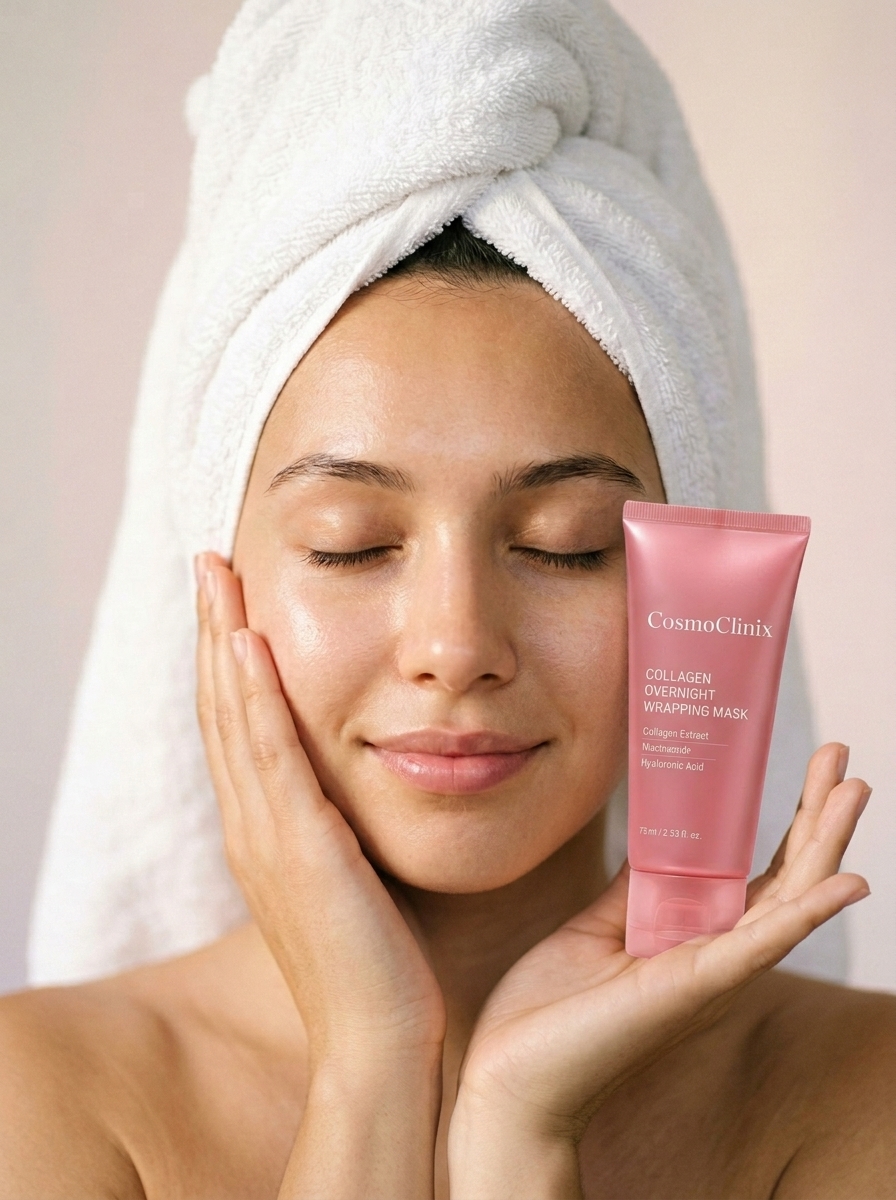
Why Dermatologists Recommend Overnight Masks for Hydration
Understanding Transepidermal Water Loss
Our skin is the body’s largest organ, but did you know that its barrier function plays a pivotal role in maintaining its health? Every day, our skin loses moisture through a process known as transepidermal water loss (TEWL). This natural occurrence can leave our skin feeling dry and dehydrated. Dermatologists often recommend various products to combat this effect, one of which is the overnight mask—a staple in K-beauty routines.
Overnight masks, especially those that are occlusive, create a protective layer on the skin, locking in moisture while you sleep. Let’s explore how these masks work and why they’re loved by dermatologists.
The Science Behind Transepidermal Water Loss
Transepidermal water loss happens when water evaporates from the skin’s surface, disrupting its moisture levels. Factors like dry air, harsh skincare products, and aging can exacerbate TEWL. The stratum corneum, the outermost layer of the skin, is where this loss primarily occurs. When this layer is compromised, it becomes less effective at retaining moisture, leading to a dull and dehydrated appearance.
This is where an occlusive overnight mask comes into play. These masks, enriched with key ingredients, work to seal in moisture, acting as a barrier against environmental factors that contribute to TEWL.
Why Overnight Masks Are Essential
-
Barrier Repair: Many overnight masks contain hydrating ingredients like ceramides and hyaluronic acid. Ceramides are naturally occurring lipids that strengthen the skin barrier, while hyaluronic acid can attract and retain moisture in the skin, effectively reducing TEWL.
-
Extended Hydration: When applied before bedtime, these products can deliver moisture throughout the night, coinciding with the skin’s natural repairing and regenerating processes. During sleep, cell turnover peaks, which means your skin can absorb all the benefits of the mask without interruptions.
-
Comforting Skin: The occlusive properties of these masks not only prevent moisture loss but can also soothe and calm irritated skin. This makes them an excellent addition to anyone’s routine, especially those with sensitive or dehydrated skin.
Ingredients to Look for in Overnight Masks
When choosing an overnight mask, pay attention to its ingredient list. Here are a few to consider:
-
Hydrolysed Marine Collagen: Known for its ability to improve skin elasticity and hydration. Collagen peptides can penetrate the skin barrier, promoting a plumper appearance.
-
Niacinamide: This incredible ingredient brightens uneven skin tone, strengthens the skin barrier, and supports its natural moisture levels. It also has anti-inflammatory properties that can help soothe irritation.
-
Multi-weight Hyaluronic Acid: Not all hyaluronic acid is created equal. Multi-weight formulations contain varying sizes of the molecule, allowing them to hydrate multiple layers of skin for deep, lasting moisture.
-
Ceramide NP: Often called a hero ingredient, ceramides restore the skin barrier and prevent moisture loss, making them a perfect partner for overnight masks.
These components work synergistically to provide hydration and support the skin’s natural functions, ultimately leading to healthier and more resilient skin.
How to Incorporate an Overnight Mask into Your Routine
To maximize the benefits of your overnight mask, follow these simple steps:
-
Cleanse: Start with a clean face. Remove any makeup, dirt, and impurities.
-
Tone: If you use a toner, apply this next to prep your skin.
-
Apply Actives: If you use serums or actives (like niacinamide), apply them before your mask for the best results.
-
Layer the Mask: Take a generous amount of your overnight mask and gently massage it onto your skin. Ensure it covers your face and neck, avoiding the eye area.
-
Sleep: Allow the mask to do its work overnight. You’ll wake up to hydrated, refreshed skin!
-
Cleanse Again: In the morning, cleanse your face to remove any residue.
Ready to boost your hydration? Shop the mask that’s formulated to deliver these fantastic benefits.
Conclusion
As part of an effective skincare regimen, overnight masks can be a game-changer for those struggling with dryness or looking to elevate their hydration game. By understanding the importance of preventing transepidermal water loss and selecting the right occlusive mask, you can wake up to refreshed and revitalised skin. The secret to that radiant glow? It may just lie in your nightly routine.
FAQ
What is transepidermal water loss?
Transepidermal water loss (TEWL) is the process by which moisture evaporates from the skin’s surface, leaving it dry and depleted of hydration.
Why are overnight masks beneficial?
Overnight masks lock in moisture and provide hydration while you sleep, helping to repair and strengthen the skin barrier for a plumper appearance.
How often should I use an overnight mask?
You can use an overnight mask 1-2 times a week, depending on your skin’s needs and the product's instructions for use.