Korean Sleeping Mask vs Night Cream: Key Differences Explained
Understanding the Basics of Skincare
In the world of skincare, definitions often blur, especially between different cultures. In South Korea, products known as sleeping masks or overnight masks have taken the beauty world by storm. Contrastingly, Western skincare routines frequently focus on the use of night creams. While both aim to hydrate and nourish the skin overnight, their formulations and approaches can differ significantly. Let's dive into the details of Korean sleeping masks and Western night creams, and discover which might be best suited for your routine.
What is a Korean Sleeping Mask?
Korean sleeping masks, popularly known as ‘수면팩’ (suminpaek), are gel-like formulations that you apply as the final step of your evening skincare routine. Designed to be left on overnight, these masks offer a concentrated dose of hydration and active ingredients. They’re often lightweight and packed with moisture-retaining components like hyaluronic acid, ceramides, and niacinamide.
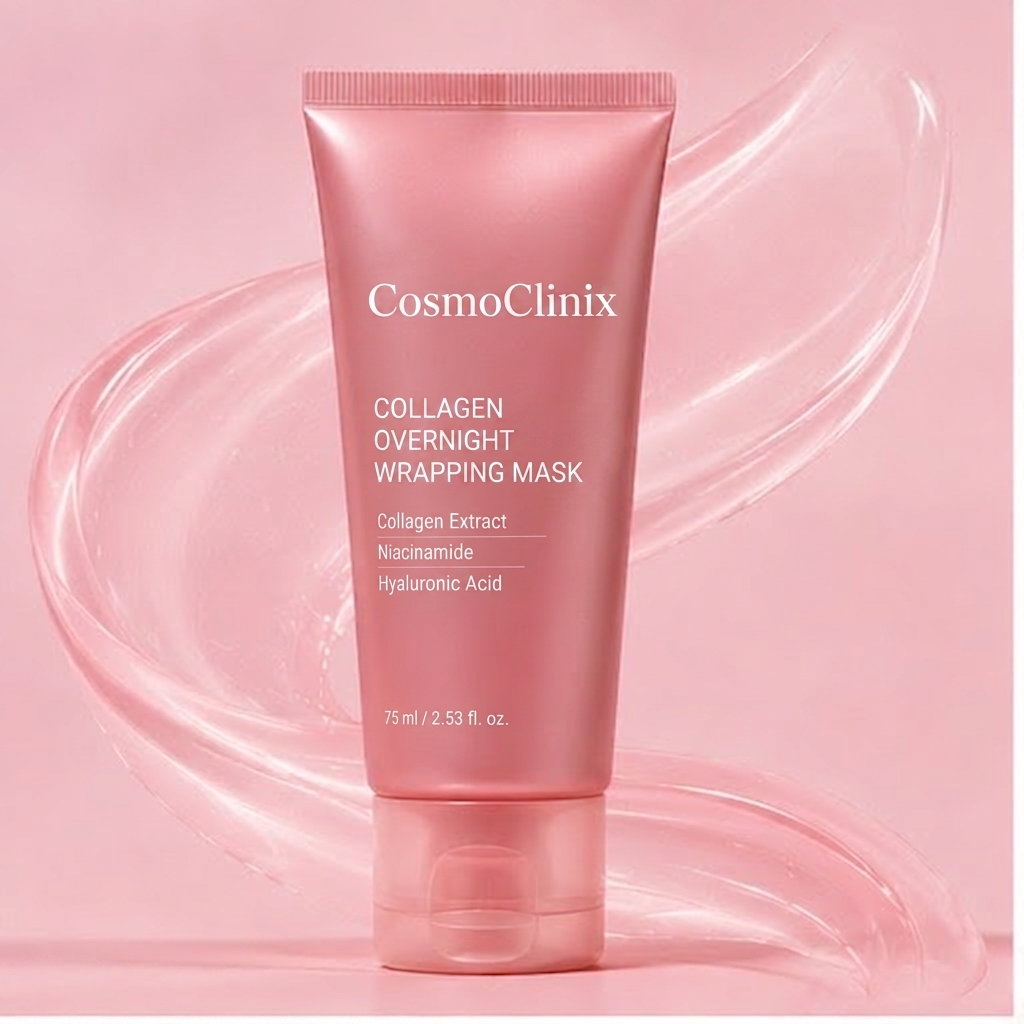
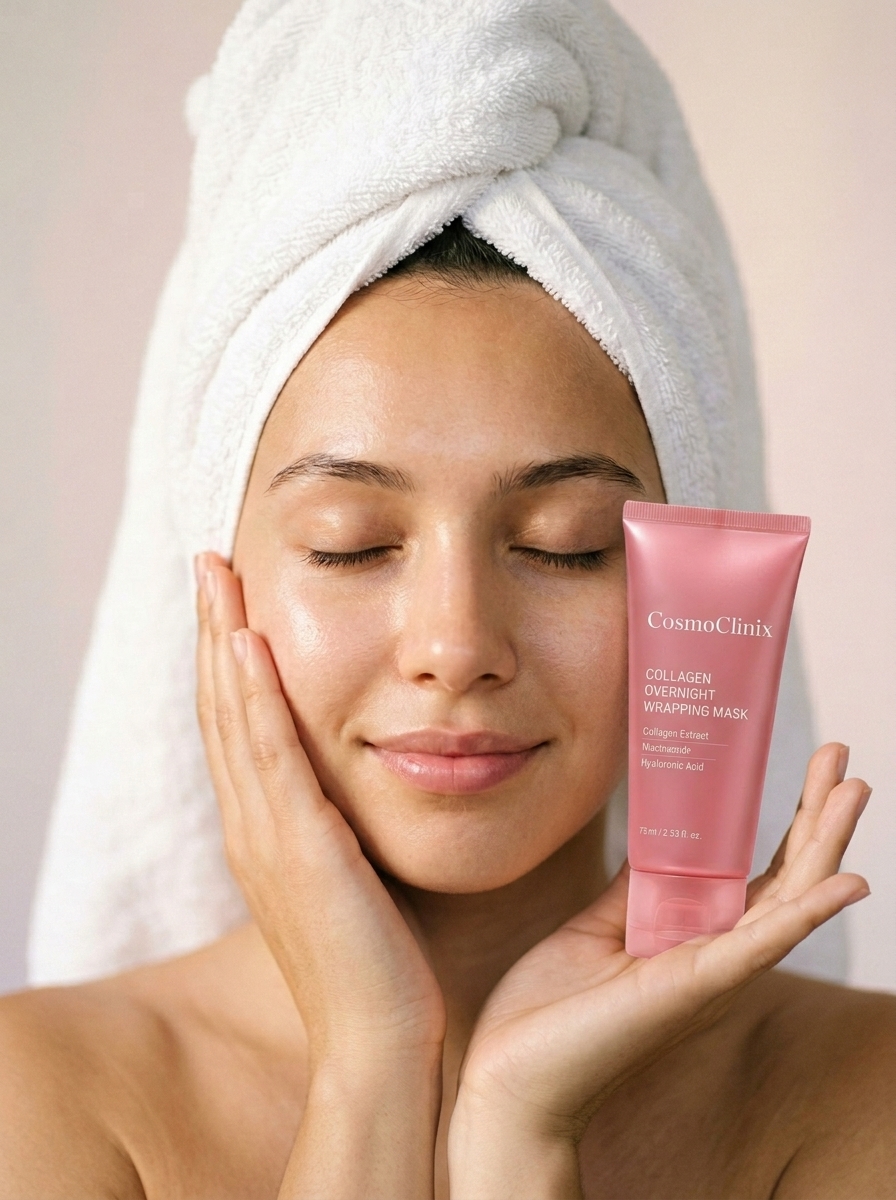
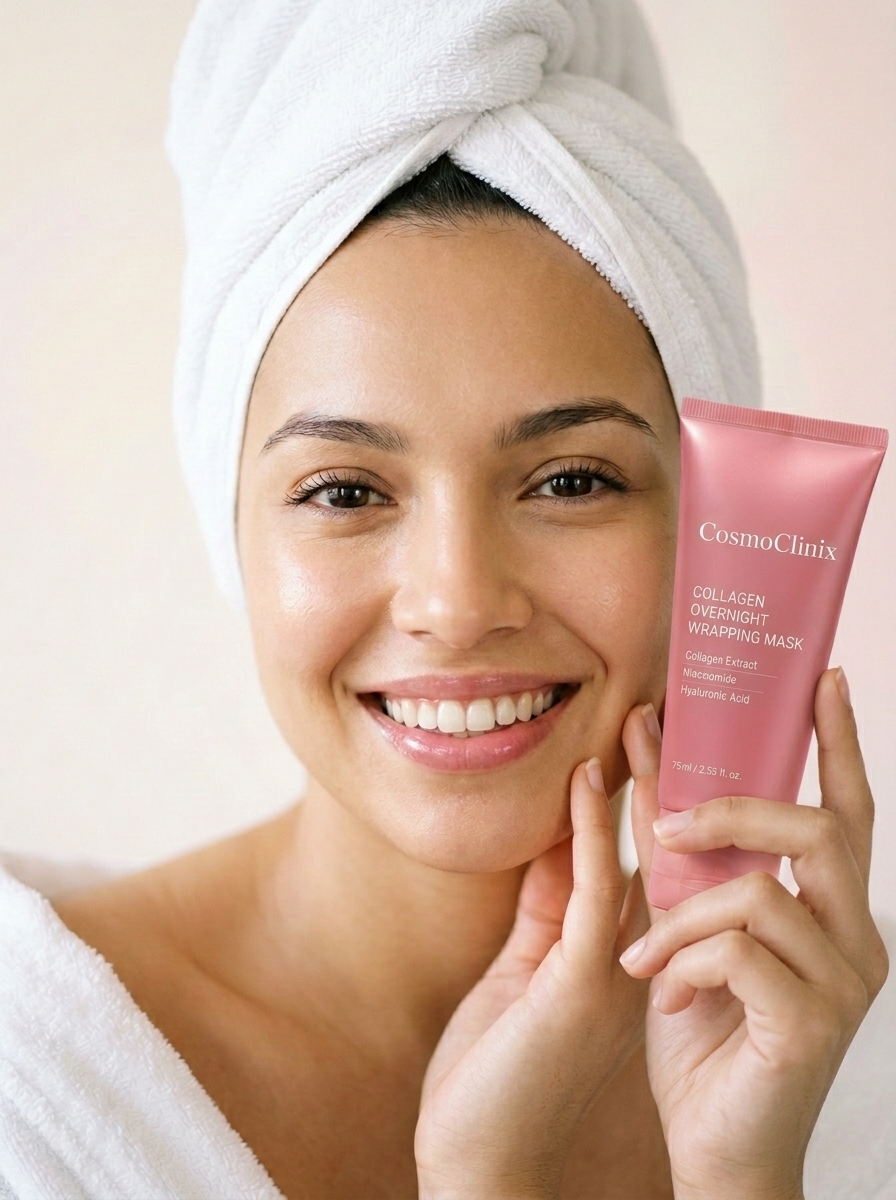
The Collagen Overnight Wrapping Mask from CosmoClinix boasts hydrolysed marine collagen and a blend of moisture-boosting ingredients. When applied, it creates a protective barrier on the skin, minimising transepidermal water loss (the process by which water evaporates from the skin surface). This allows skin to stay hydrated throughout the night, supporting natural rejuvenation processes during sleep.
How Does It Work?
During sleep, your skin engages in processes such as cell turnover and regeneration. However, it also loses water—a factor often exacerbated by environmental stressors. Sleeping masks actively combat this by providing an occlusive layer that locks in moisture and nutrients.
For example, the combination of multi-weight hyaluronic acid in our Collagen Overnight Wrapping Mask hydrates at different skin layers, ensuring comprehensive moisture retention. Niacinamide not only helps improve skin texture but also strengthens the skin barrier, making it more resilient against water loss. Using these products creates an ideal environment for skin recovery, making the most of the natural skin repair that happens at night.
What is a Western Night Cream?
Western night creams, on the other hand, traditionally tend to be richer and creamier in texture. They’re designed to deliver moisture and nutrients while also addressing specific skin concerns, such as wrinkles or dryness. Night creams are usually packed with emollients and occlusives, which work to create a thicker barrier on the skin that can help prevent moisture loss.
While some night creams might include beneficial active ingredients, others may focus heavily on hydration without the array of potent actives that K-beauty sleeping masks often offer. This can lead to differing results—night creams can sometimes provide immediate relief but may lack the concentrated treatment benefits provided by a sleeping mask.
Key Differences: Korean Sleeping Masks vs Western Night Creams
-
Texture and Absorption:
- Korean sleeping masks typically have a lighter, gel-like texture that absorbs quickly. They allow the skin to breathe while providing intensive hydration.
- Western night creams often have a thicker, more occlusive formula designed to sit on top of the skin, locking in moisture but potentially feeling heavy.
-
Ingredient Profile:
- Sleeping masks frequently contain a mix of water-binding ingredients, antioxidants, and brightening agents—all aimed at enhancing your skin's appearance overnight.
- Night creams may focus more on emollients and moisturisers, with fewer active ingredients aimed at treating multiple skin concerns simultaneously.
-
Moisture Retention vs Targeted Treatment:
- The goal of a sleeping mask is to enhance moisture retention and promote skin resilience while you sleep, allowing skin to recover naturally.
- Night creams may provide immediate hydration but are often limited in their ability to deliver active treatments in the same way that sleeping masks do.
When to Use Each
You might wonder when to incorporate each product into your bedtime routine. If you are looking for an intensive overnight treatment that addresses various skin concerns while ensuring lasting hydration, a Korean sleeping mask can be an excellent choice.
However, if you prefer a richer texture that offers deep hydration and addresses specific skin issues persistently over time, then a Western night cream could be more suitable. Alternatively, a great combination can be using a night cream for everyday hydration and a sleeping mask a couple of times a week for that extra boost of moisture.
Ultimately, understanding your skin's needs is vital for making the best product choice. If you're curious about experiencing the unique benefits of a Korean sleeping mask, consider shop the mask to discover its hydrating properties.
Conclusion
Both Korean sleeping masks and Western night creams have their own advantages and applications. Understanding their differences can help you make informed choices for your skincare routine, ensuring you wake up with nourished, glowing skin. To further enhance your skincare knowledge, read more on the Journal for insights on achieving the best results from your K-beauty regimen.
FAQ
What is a sleeping mask, and how is it different from a night cream?
A sleeping mask is a lightweight, gel-like product designed to be applied as the last step in your evening skincare routine. It focuses on delivering intense hydration and active ingredients overnight, while night creams tend to be thicker and mainly aim to provide moisture.
Can I use both a night cream and a sleeping mask?
Yes, you can use both. For everyday skincare, a night cream can provide hydration, while a sleeping mask can be used weekly for an added boost of moisture and treatment benefits.
How often should I use a Korean sleeping mask?
You can use a Korean sleeping mask 2-3 times a week depending on your skin's hydration needs, or as needed if your skin feels particularly dry or dehydrated.