Korean Sleeping Mask vs Night Cream: Key Differences Explained
K-beauty’s Sleeping Masks vs Western Night Creams: What You Need to Know
When it comes to enhancing your overnight skincare routine, both Korean sleeping masks and Western night creams promise to deliver hydration and rejuvenation. However, they often differ significantly in ingredients, application methods, and ultimately, how they work. At CosmoClinix, we believe in the power of both K-beauty and Western skincare; understanding these differences can help you choose the product that’s best for your skin.
Understanding the Concepts
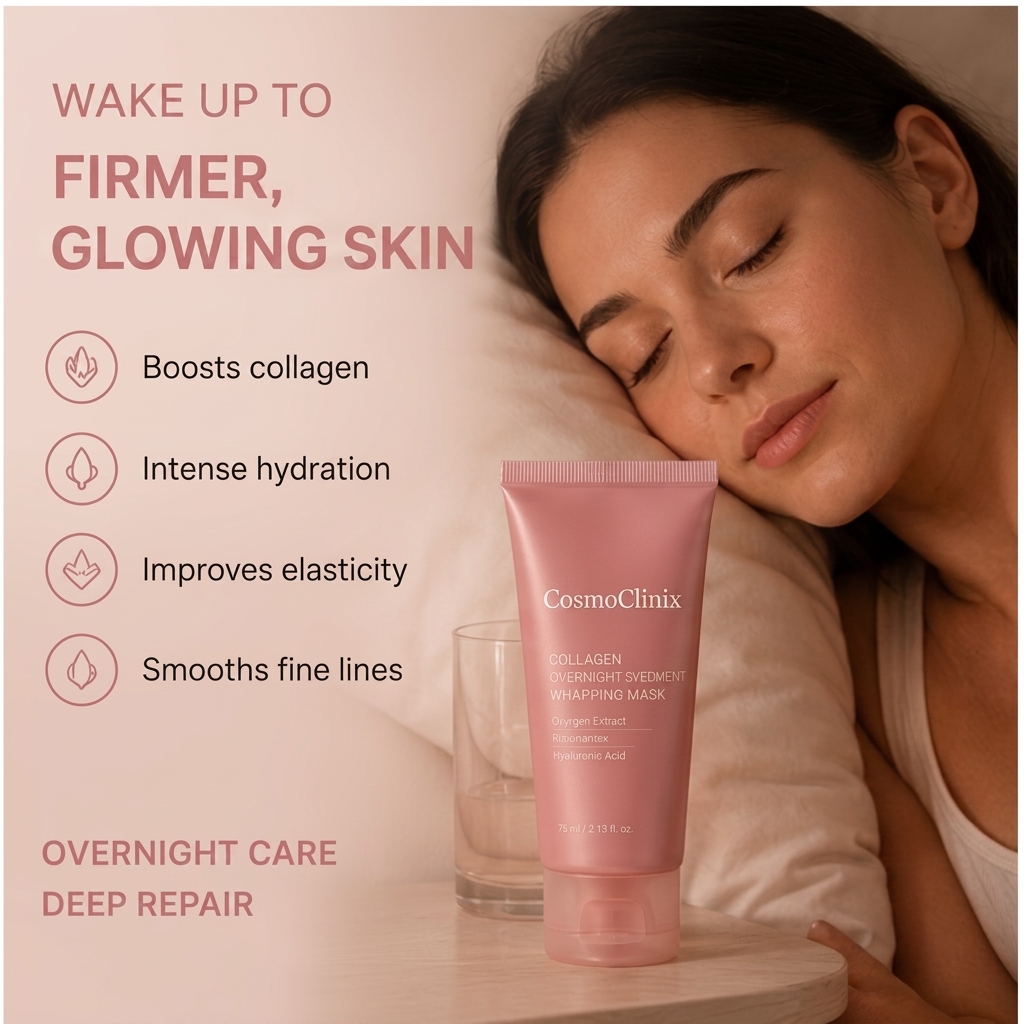
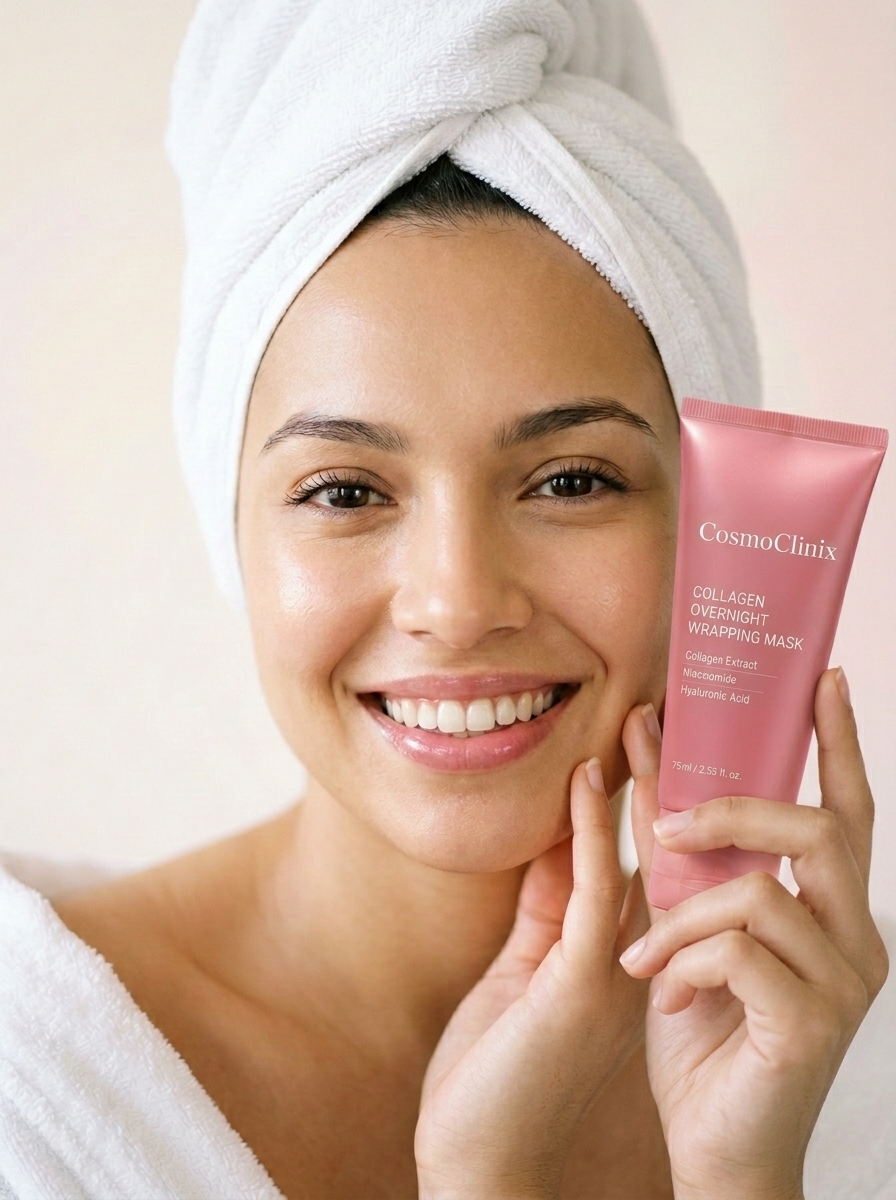
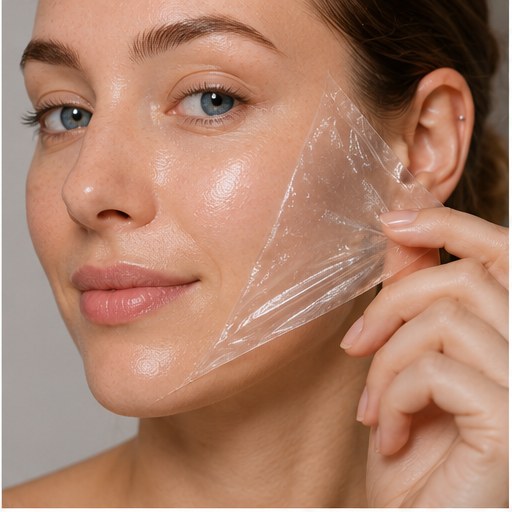
Sleeping Masks: In K-beauty, a sleeping mask—or ‘sleeping pack’—acts as a last step in your evening skincare routine. It is designed to create a protective barrier on the skin overnight, allowing active ingredients to seep in while you sleep. Products like the Collagen Overnight Wrapping Mask include beneficial ingredients like hydrolysed marine collagen and niacinamide, which work together to nourish and repair the skin during its natural repair phase.
Night Creams: Conversely, Western night creams are typically thicker emollients meant to provide moisture. They often contain oils and butters, aiming to lock in moisture while also delivering hydration. While some formulations include active ingredients, the texture and purpose are often skewed more toward hydration rather than targeted treatment like K-beauty sleeping packs.
Ingredient Differences
Active Ingredients in K-beauty: K-beauty sleeping masks often incorporate innovative ingredients that target various skin concerns. For example, hydrolysed marine collagen in the Collagen Overnight Wrapping Mask helps enhance skin elasticity and supports the skin’s structure. Niacinamide, a form of vitamin B3, can brighten the complexion and improve skin barrier function. Multi-weight hyaluronic acid hydrates deeply, addressing transepidermal water loss (the natural evaporation of moisture from the skin), while ceramide NP reinforces the skin’s barrier, locking in moisture.
Night Cream Ingredients: Western night creams may focus on oils and butters—think shea butter or almond oil—providing a rich texture that's comforting. While many creams do include active ingredients such as retinol or peptides, they often bulk up their formulas with occlusive agents to create a barrier, rather than utilising lighter textures that allow for better absorption during sleep.
Application and Purpose
How to Use a Sleeping Mask: A K-beauty sleeping mask is usually applied as the final step after your serum or moisturiser. Typically, you would apply the mask to clean skin and wake up to a refreshing, hydrated complexion. Its gel or cream-like consistency feels light and breathable, making it possible to layer effectively over your other skincare products.
Using a Night Cream: For a night cream, application is straightforward—simply spread it over your face and neck as the last step of your routine. Some will even recommend using a more generous amount to maximize hydration overnight. The focus here is on providing a cushiony feel that helps combat dryness but may lack the concentrated actives that sleeping packs offer.
Efficacy in Overnight Skin Recovery
Both sleeping masks and night creams serve the purpose of skin recovery, but their mechanisms can differ through how they react with your skin overnight. During sleep, skin cell turnover naturally increases, and the right products can enhance this process. For example, the hydrolysed marine collagen and niacinamide in a sleeping mask assist in repairing damage and boosting skin resilience, allowing the skin to absorb nourishment effectively while you rest.
Night creams, while hydrating, may not provide the targeted benefits that K-beauty sleeping masks do. Instead, they primarily offer moisture and may not fully exploit the night-time recovery potential of the skin.
Who Should Use What?
If your skin is dry, dull, or you suffer from uneven texture, K-beauty sleeping masks such as the Collagen Overnight Wrapping Mask might be the better option, delivering intense hydration and key actives to promote healing. However, if you prefer a more traditional approach and seek a comforting, rich product, a Western night cream could serve you well.
Ultimately, the choice between a sleeping mask and a night cream comes down to your skin type and what you want to achieve. Mixing both products into your routine can also be effective, using a K-beauty sleeping mask on nights when your skin craves extra hydration and a night cream on other evenings.
Conclusion
Understanding the differences between Korean sleeping masks and Western night creams enables you to make an informed decision taking into consideration your unique skin needs. Whichever you choose, investing in quality ingredients and being consistent with your routine will lead to healthier, glowing skin. For those interested in enhancing their overnight routine, exploring products like the Collagen Overnight Wrapping Mask could be a step toward achieving just that.
Shop the mask and immerse your skin in the goodness of K-beauty during your next beauty sleep. And don’t forget to check out our blog for more insights into different skincare topics Read more on the Journal.
FAQ
What’s the purpose of a sleeping mask?
A sleeping mask is designed to create a protective barrier on your skin overnight, allowing active ingredients to nourish your skin while you sleep.
How do I incorporate a sleeping mask into my routine?
Apply the sleeping mask as the final step after your serum and moisturiser. This locks in moisture and maximises the effects of the active ingredients.
Can I use a night cream and a sleeping mask together?
Yes, you can use both! You might consider using a sleeping mask on nights when your skin needs extra hydration and a night cream on other evenings.