How to Read a K-Beauty Ingredient List: A Quick Guide
Understanding K-Beauty Ingredient Lists
Navigating the world of K-beauty can feel overwhelming, especially with ingredient lists filled with complex names and unfamiliar terms. Yet, understanding these lists is key to selecting products that suit your skin's needs. This guide will help you decode the essential components of K-beauty ingredients efficiently and effectively.
The Structure of an Ingredient List
Ingredient lists are usually presented in descending order by weight, meaning that the first few ingredients are typically the most significant components of the product. This is a crucial factor when evaluating your skincare. When looking at a K-beauty product, the first five ingredients will tell you a lot about its primary benefits.
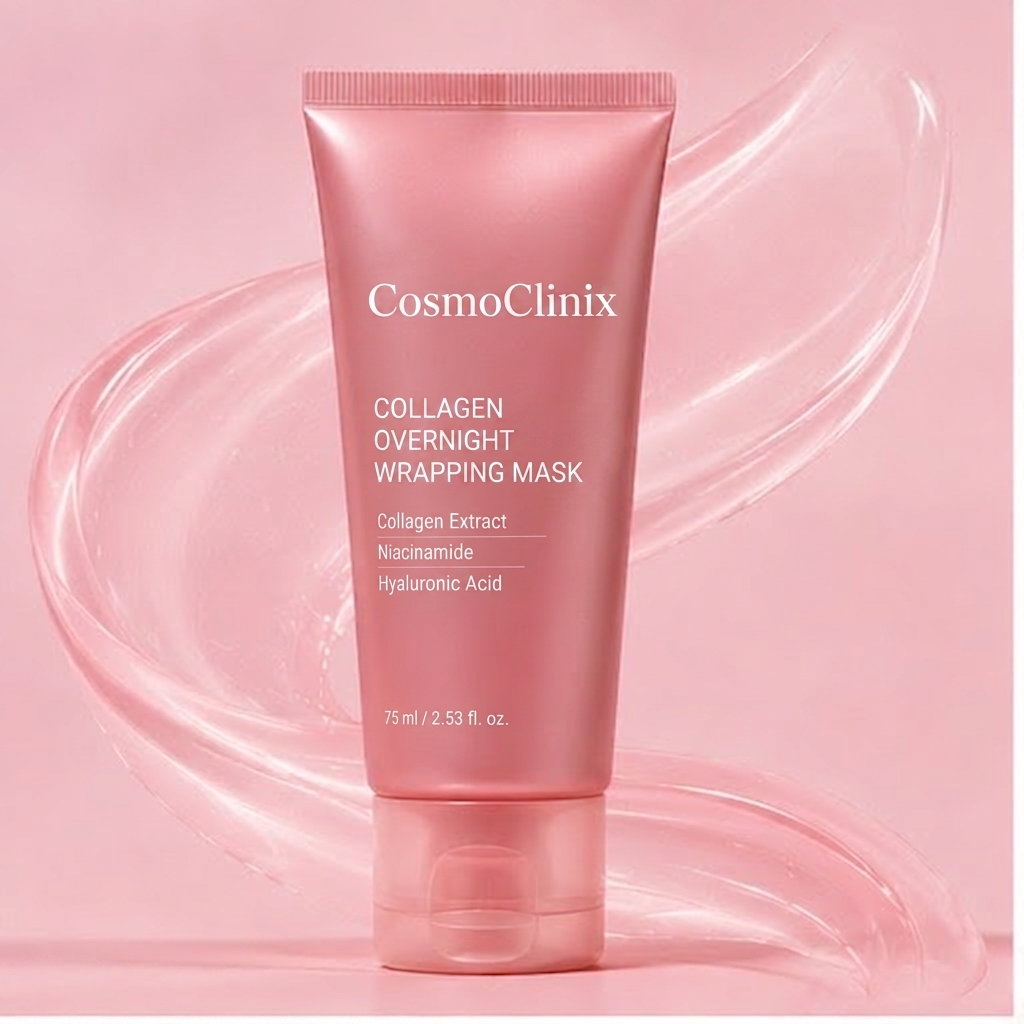
For example, if you’re eyeing the Collagen Overnight Wrapping Mask, pay special attention to the first five ingredients. If hydrolysed marine collagen features prominently, you know it plays a vital role in ensuring the mask delivers on its promise of hydration and skin elasticity.
Key Ingredients to Look For
1. Humectants
These are substances that draw moisture into the skin. Common humectants include glycerin and hyaluronic acid, the latter typically found in multiple weights to target different hydration levels within the skin. Our Collagen Overnight Wrapping Mask includes multi-weight hyaluronic acid, designed to bind water to the skin's surface, promoting a fuller, plumper appearance.
2. Emollients
Emollients create a barrier on the skin's surface, reducing transepidermal water loss and keeping your skin feeling soft. Ingredients like ceramide NP in our mask help restore the skin's barrier, crucial for maintaining hydration overnight when your skin naturally loses moisture.
3. Active Ingredients
These are the powerhouses that contribute to your skin's overall health. Niacinamide, for example, is an excellent addition known for its ability to improve skin texture and tone. This vitamin B3 derivative also helps manage excess sebum, making it suitable for various skin types.
Decoding Ingredient Names
K-beauty products often feature both scientific and less common names—sometimes in both English and Korean. Here’s how to decode them:
- Scientific Names:
The INCI (International Nomenclature of Cosmetic Ingredients) format standardises ingredient names. For example, ‘Sodium Hyaluronate’ is the scientific term for a form of hyaluronic acid. If you come across unfamiliar terms, a quick web search can usually provide insights into their benefits and effects.
- Korean Names:
You may also see Korean terms alongside the English names. For instance, ‘녹차 추출물’ translates to ‘Green Tea Extract.’ Familiarising yourself with commonly used Korean ingredients can bolster your understanding and help you pick the right products for your routine.
Allergens and Sensitivities
As you read through the ingredient list, keep an eye out for common allergens or irritants, especially if you have sensitive skin. Ingredients like fragrances or certain preservatives can cause reactions. If you’re unsure, consider patch-testing the product on a small area of skin before widespread use.
How to Integrate into Your Routine
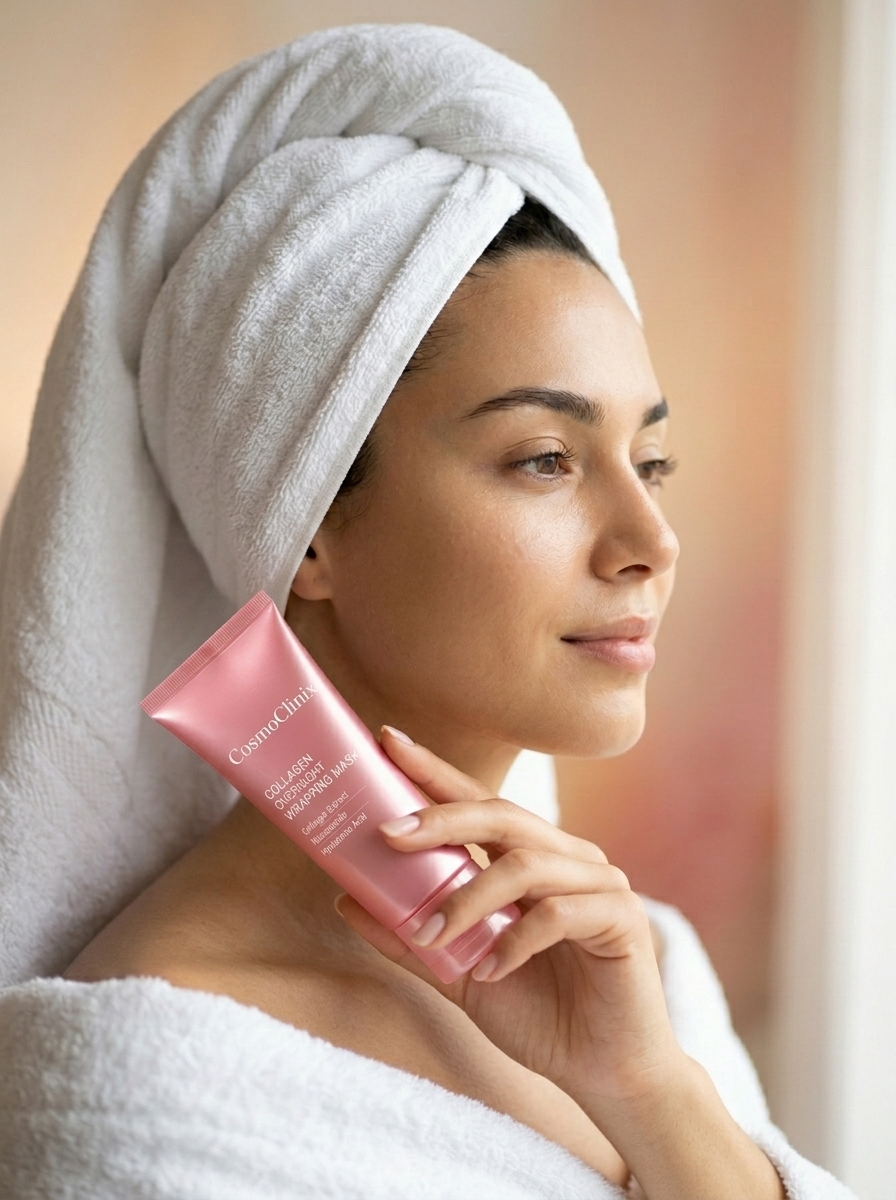
Once you understand how to read K-beauty ingredient lists, you can make informed choices about how to incorporate products into your routine. The Collagen Overnight Wrapping Mask, for instance, can serve as a hydrating last step in your evening skincare ritual. After cleansing and applying serums, use the mask to lock in moisture overnight.
Conclusion
Mastering the art of reading K-beauty ingredient lists doesn’t require a degree in chemistry, but it does involve a willingness to learn about your skincare products. With this guide, you’re well-equipped to evaluate the formulation in any K-beauty item, helping you select products that nurture, hydrate, and enhance your skin’s natural beauty. Ready to dive into K-beauty? Shop the mask and see the benefits for yourself!
FAQ
What do the first five ingredients in a product mean?
The first five ingredients in a skincare product are usually the main components. They indicate what the product is primarily formulated to do, whether it’s hydrate, nourish, or protect the skin.
Are K-beauty ingredient lists different from Western brands?
Not necessarily. Ingredient lists in K-beauty follow the same general rules as Western products—they list ingredients in order of predominance. However, the formulation styles and ingredient preferences may vary, often focusing more on moisture and using herbal extracts.
How can I tell if a product is suitable for sensitive skin?
Look for products labelled as hypoallergenic, fragrance-free, and with minimal synthetic ingredients. Reading the ingredient list can help identify common irritants and allergens to ensure the product suits your skin type.