How to Read a K-beauty Ingredient List: A Quick Guide
Understanding K-beauty Ingredient Lists
Navigating the world of Korean skincare can be incredibly rewarding, especially when you see the transformative results from well-formulated products. However, this can also lead to confusion when it comes to deciphering ingredient lists. With the vast array of formulations available, knowing how to interpret these lists is essential for making informed choices about your skincare routine.
Let's break down the basics of K-beauty ingredient lists so you can better understand what you are applying to your skin every day.
Why Ingredients Matter
Every ingredient in a skincare product serves a specific purpose, whether it is directly targeting skin concerns, enhancing the product's feel, or preserving its shelf life. Understanding these ingredients can help you select products tailored to your skin's unique needs rather than getting swept away by marketing claims.
Decoding the List
1. Order of Ingredients
Ingredients are listed in descending order by concentration. The first few items make up the bulk of the product, while those at the end are often included in smaller amounts. Keep an eye on key active ingredients; they should ideally appear within the first five ingredients for effective results.
2. Identifying Actives
Look for effective active ingredients—these are compounds known for their particular benefits:
- Hydrolysed Marine Collagen: Known for its ability to support skin elasticity and hydration. When applied, it helps to visually plump the skin and reduce the appearance of fine lines.
- Niacinamide: A versatile ingredient that improves skin’s texture, enhances barrier function, and evens skin tone.
- Multi-weight Hyaluronic Acid: Offers multi-layer hydration, penetrating different skin depths for a more plump and supple complexion.
- Ceramide NP: Essential for reinforcing the skin's moisture barrier, helping to prevent transepidermal water loss (TEWL) and keeping skin hydrated.
Familiarising yourself with these actives helps you to understand how they contribute to the overall effectiveness of a product.
Common Terms to Know
Fragrance-Free vs. Unscented
- Fragrance-Free: No components that create a scent, making it ideal for sensitive skin.
- Unscented: May contain ingredients to mask the natural scent, which could still irritate sensitive skin. Always opt for fragrance-free when possible.
Preservatives
Don’t shy away from preservatives; they keep your products safe from bacterial growth—something critical in a product you use frequently. Common preservatives in K-beauty include phenoxyethanol and ethylhexylglycerin.
How to Spot Potential Irritants
If you have sensitive skin, watch out for ingredients like alcohols or certain essential oils, which can provoke irritation. It’s essential to know your skin’s unique reactions and take note of ingredients you should avoid. Learning to spot these potential irritants will allow you to make better choices.
Reading Labels on K-beauty Products
When you’re checking a product label:
- Check the pH: A pH-balanced product helps maintain your skin's natural barrier.
- Look for certifications: Third-party certifications can lend credibility to the product, showing that it has undergone thorough testing.
The Power of Knowledge in Your Routine
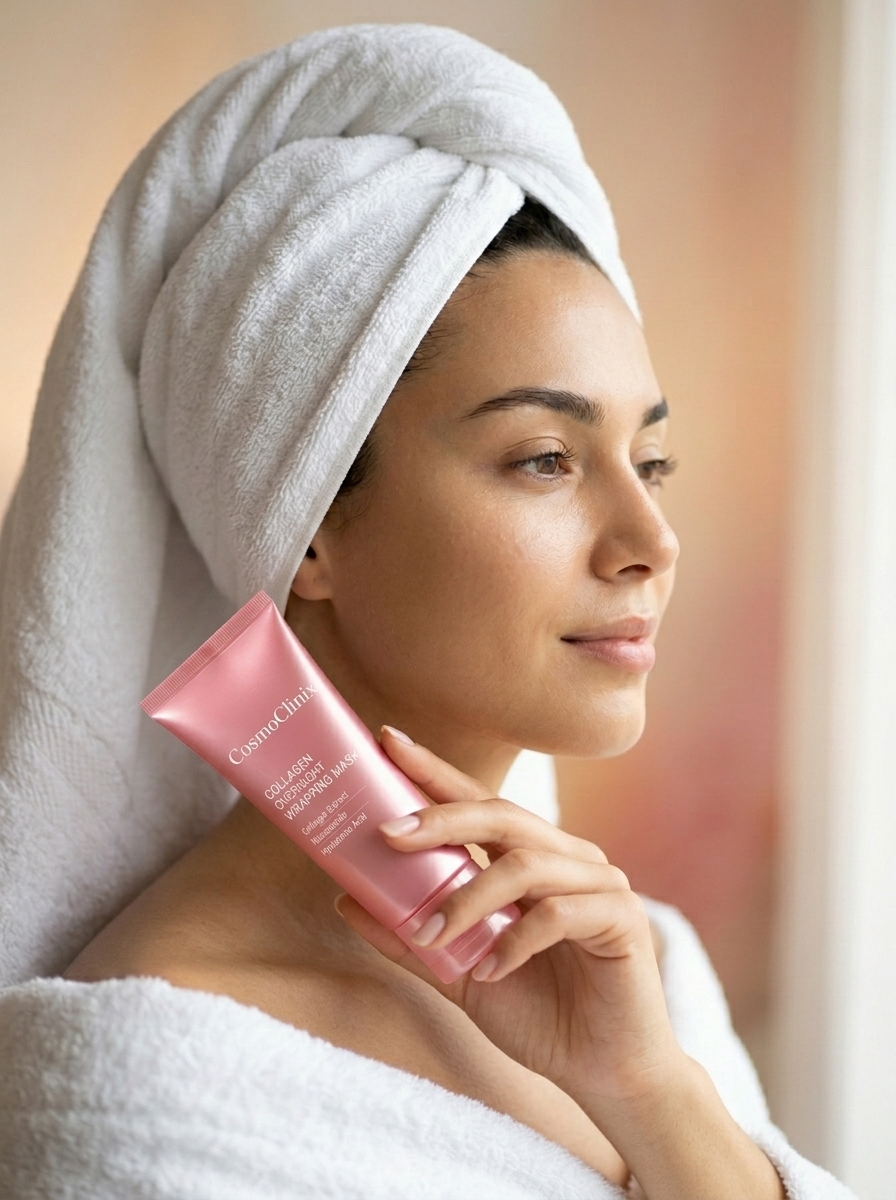
By understanding how to read K-beauty ingredient lists, you empower yourself to make better choices that align with your skincare goals. This knowledge allows you to tailor your routine effectively, amplifying the benefits of products like the Collagen Overnight Wrapping Mask. So, if you’re curious about harnessing the full power of K-beauty, dive in by experimenting with products rich in the beneficial ingredients we've discussed. Shop the mask!
Embrace Your Journey with Skincare Literacy
The realm of K-beauty is extensive, and as you become more comfortable and knowledgeable about interpreting ingredient lists, your ability to find the right products for your skincare journey will only improve. Each product tells a story through its composition, and with this new understanding, you can choose wisely to achieve beautiful, healthy skin.
FAQ
What should I look for in a K-beauty product ingredient list?
When examining an ingredient list, focus on the first five ingredients for key actives. Look for beneficial compounds like collagen, niacinamide, and hyaluronic acid which can support skin health.
How can I tell if a product is suitable for sensitive skin?
To assess if a product is suitable for sensitive skin, check for a label that says "fragrance-free" and look for common irritants like alcohols or certain essential oils that may cause reactions.
Are K-beauty products safe to use?
Yes, K-beauty products are safe to use when you select items suitable for your skin type. Always read the ingredient list and patch test new products to ensure compatibility.