Vegan Collagen Alternatives: Peptides and Amino Acids Explained
Understanding Vegan Collagen Alternatives
Collagen is the most abundant protein in our body, essential for maintaining skin's elasticity and hydration. As we age, our natural collagen production declines, leading to fine lines and a loss of firmness. To counteract this, many brands have started exploring vegan collagen alternatives that harness the benefits of plant-derived ingredients. In this post, we’ll delve into these alternatives, specifically focusing on peptides and amino acids, helping you choose the right products for your skincare routine.
What Are Peptides?
Peptides are short chains of amino acids, and they play a crucial role in skin health. When applied topically, they signal the skin to produce more collagen, which can help improve the appearance of fine lines and wrinkles. The beauty of peptides lies in their ability to penetrate the skin barrier, allowing them to work effectively from within.
In the vegan world, you’ll typically find plant-derived peptides, such as those from soy, rice, or wheat. These peptides can mimic the effects of traditional collagen, making them a suitable alternative for those looking to maintain youthful skin without animal-derived products.
The Role of Amino Acids in Skin Health
Amino acids are the building blocks of proteins, including collagen. They are vital for maintaining the skin's barrier function and overall health. Some key amino acids, such as glycine, proline, and lysine, are necessary for collagen synthesis. Fortunately, many plant-based sources provide these amino acids, helping the skin remain hydrated and resilient.
You can find amino acids in various skincare products, with options derived from natural sources like quinoa, soy, and corn. Incorporating these into your routine can support your skin’s natural processes, ensuring it stays firm and hydrated.
Why Look for Peptides and Amino Acids?
When searching for vegan collagen alternatives in your skincare, here are a few reasons why peptides and amino acids should be on your radar:
- Support Collagen Production: Both peptides and amino acids promote collagen synthesis, helping combat signs of ageing.
- Hydration: They can enhance the skin's moisture levels, reducing transepidermal water loss and maintaining hydration.
- Barrier Strengthening: A robust skin barrier helps protect against environmental damage, leading to healthier skin over time.
- Gentle Ingredients: Vegan collagen alternatives are often well-tolerated, making them suitable for sensitive skin types.
Incorporating Vegan Collagen Alternatives into Your Routine
When incorporating vegan collagen alternatives into your skincare routine, consider layering products effectively for maximum results.
- Cleansing: Start with a gentle cleanser to remove impurities without stripping moisture.
- Toning: A hydrating toner can prep your skin for better absorption of subsequent products.
- Serums: Choose a serum rich in peptides or amino acids to target specific concerns, such as fine lines or uneven texture.
- Moisturiser: Seal in the benefits with a moisturiser that contains hydrating ingredients like hyaluronic acid or ceramides.
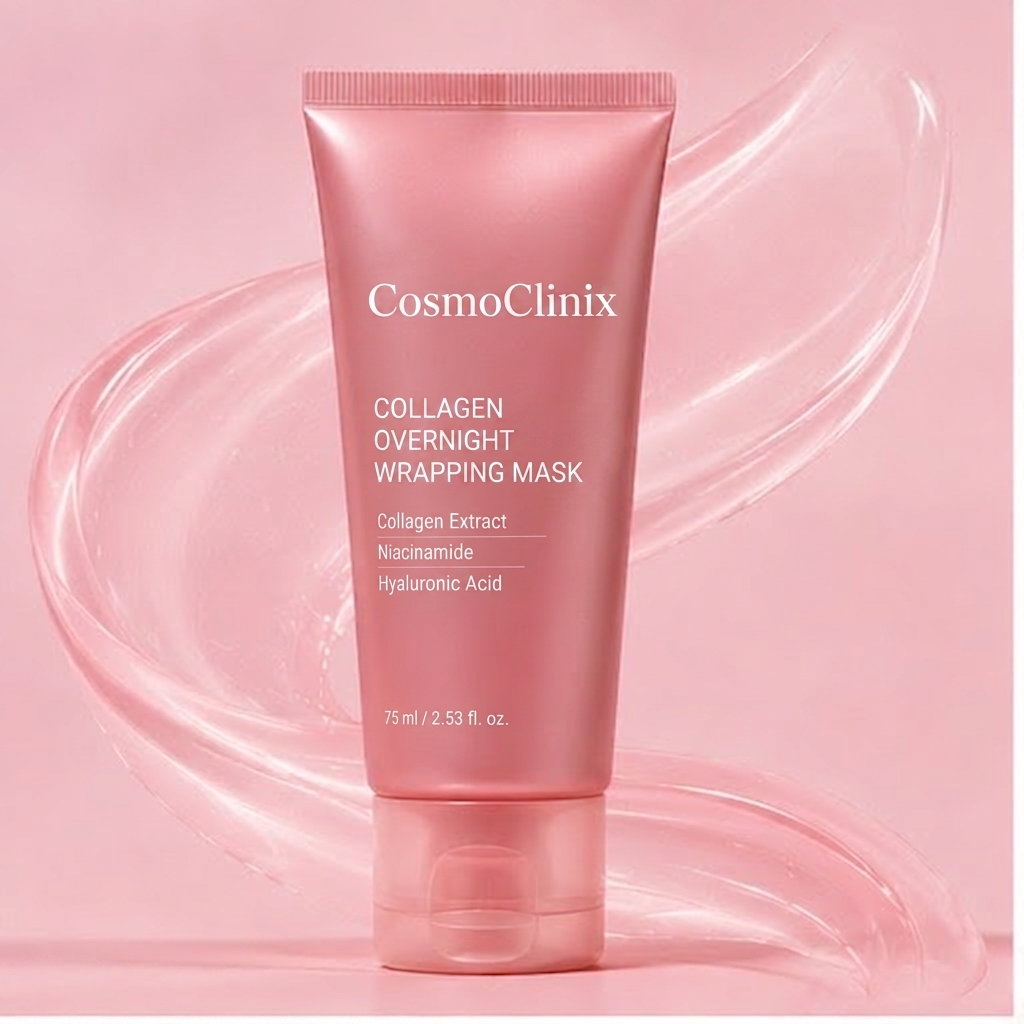
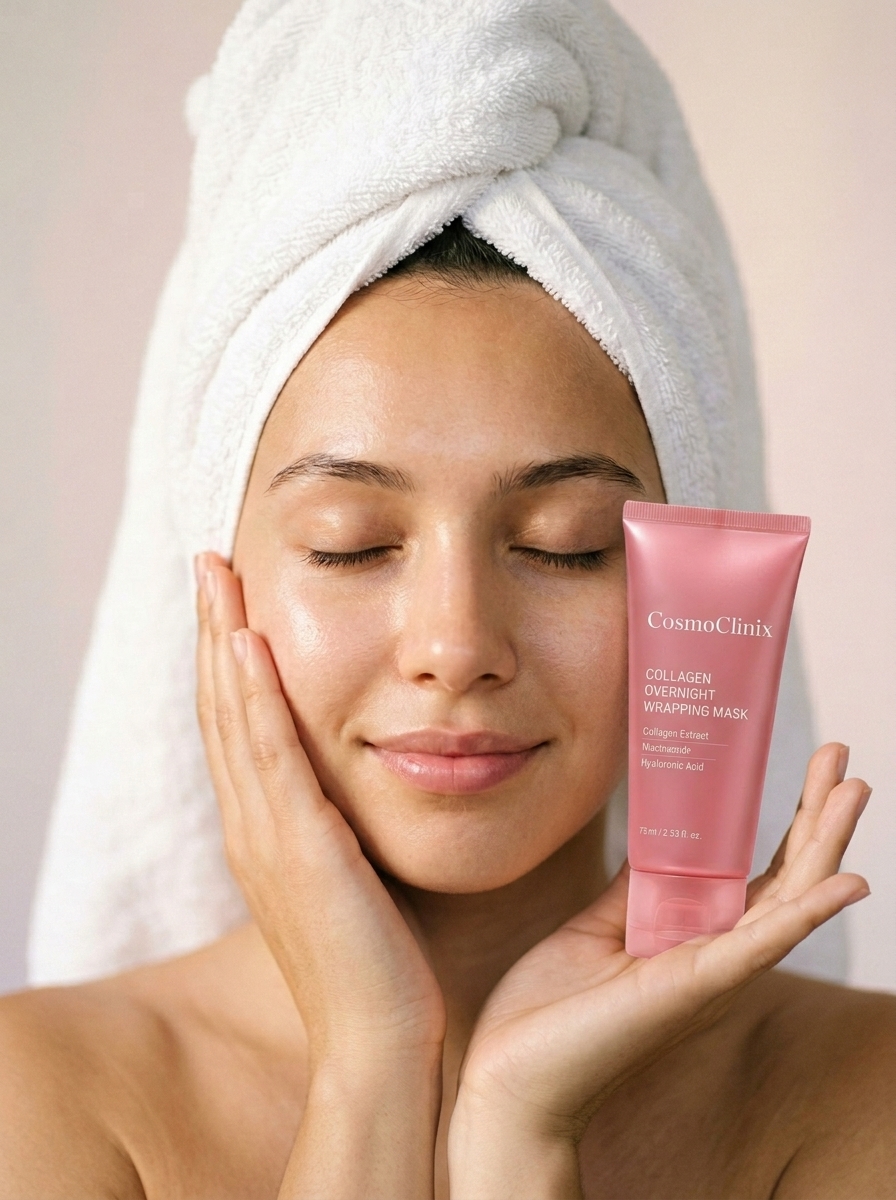
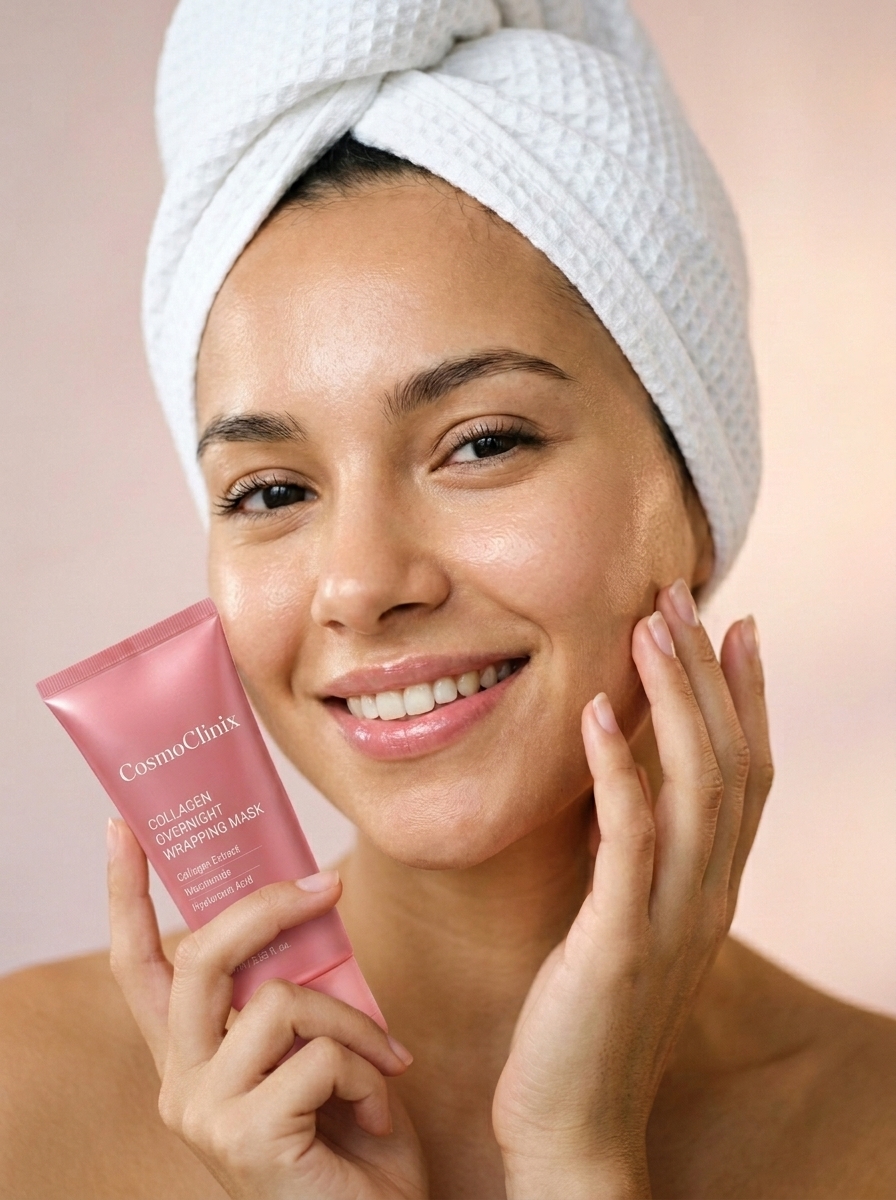
- Overnight Mask (like the Collagen Overnight Wrapping Mask): As the final step in your routine, apply an overnight mask that locks in moisture and enhances the effectiveness of previous products. Shop the mask
Overnight masks are particularly beneficial for their occlusive properties, which prevent transepidermal water loss while you sleep. The Collagen Overnight Wrapping Mask from CosmoClinix features hydrolysed marine collagen, niacinamide, multi-weight hyaluronic acid, and ceramide NP, offering a boost of hydration and support for your skin's natural processes.
The Importance of Ingredient Quality
Not all vegan collagen alternatives are created equal. When shopping for products, it’s crucial to look for high-quality ingredients from reputable brands. Check for third-party testing and transparency in sourcing to ensure you’re getting the most benefit from your skincare choices. Additionally, look for products that complement each other; using a combination of peptides, amino acids, and hydrating ingredients can amplify results.
By understanding the roles of these ingredients and how to incorporate them into your routine, you can effectively support your skin’s health while embracing vegan options that align with your values. Read more on the Journal
Conclusion
In the quest for youthful and glowing skin, vegan collagen alternatives offer a promising route. Peptides and amino acids serve as effective ingredients in combating signs of ageing, combining well with other hydrating agents to support your skin’s natural barrier and moisture levels. As part of a well-rounded skincare routine, these alternatives can help you maintain a radiant complexion without compromising your lifestyle choices.
FAQ
What are vegan collagen alternatives?
Vegan collagen alternatives are plant-based ingredients that provide skin benefits similar to animal-derived collagen, typically including peptides and amino acids that support collagen synthesis.
How do peptides help the skin?
Peptides are short chains of amino acids that signal the skin to produce more collagen, which can reduce the appearance of fine lines and improve skin texture.
Can amino acids be absorbed by the skin?
Yes, amino acids can penetrate the skin barrier, helping to nourish and maintain hydration while supporting the skin's natural barrier function.