Exploring Vegan Collagen Alternatives for Skincare
Understanding the Need for Collagen in Skincare
Collagen is the most abundant protein in our bodies and plays a vital role in maintaining skin elasticity and hydration. As we age, our natural collagen production diminishes, leading to the appearance of fine lines and sagging skin. Traditionally, marine or bovine collagen supplements have been used to help supplement this loss, but not everyone is comfortable with animal-derived products. This is where vegan collagen alternatives come into play, offering a variety of options for those looking to support their skin without compromising their values.
What Are Vegan Collagen Alternatives?
Vegan collagen alternatives focus on replenishing the skin’s collagen levels using plant-derived ingredients instead of animal sources. Common alternatives include peptides and amino acids, both of which can support the skin’s structural integrity and enhance hydration.
Peptides are short chains of amino acids that can penetrate the skin barrier, signalling cells to produce more collagen. They act as messengers in the skin, encouraging its natural collagen formation. The growth factors, such as those derived from certain plants, stimulate collagen synthesis in a way that mimics the body’s natural processes while being cruelty-free.
Amino acids, while they are the building blocks of proteins, including collagen, can also be applied topically to support skin health. Ingredients like glycine, proline, and hydroxyproline are integral to collagen structure. When included in topical formulations, they help to maintain skin moisture levels, which is crucial for a youthful complexion.
The Benefits of Vegan Collagen Alternatives
- Mimic Nature: Using vegan alternatives enables your skin to stimulate its natural collagen production without the ethical concerns associated with animal-derived collagen.
- Hydration: Ingredients like hyaluronic acid, a natural humectant, can be found in many vegan products and provide essential hydration, minimising transepidermal water loss and keeping your skin plump.
- Antioxidant Protection: Vegan collagen alternatives often come with additional benefits—many are packed with antioxidants that help to protect the skin from environmental stressors, further supporting overall skin health.
Now, let’s talk about specific ingredients to look out for when seeking vegan collagen alternatives.
Key Vegan Ingredients for Collagen Support
-
Rosehip Oil: Rich in vitamin C and essential fatty acids, rosehip oil helps in skin regeneration and stimulates collagen production.
-
Alfalfa Extract: This plant is known for its high content of vitamins A, C, and E, which help in reducing the appearance of fine lines and boosting collagen production.
-
Soy Proteins: Soy is a complete protein, meaning it contains all essential amino acids, and can enhance skin elasticity.
-
Spirulina: High in amino acids, this blue-green algae not only supports collagen synthesis but also delivers a cocktail of nutrients that can revitalise your skin.
-
Bamboo Extract: Naturally high in silica, bamboo extract helps maintain skin integrity, aiding in collagen formation.
Incorporating Vegan Collagen Alternatives into Your Routine
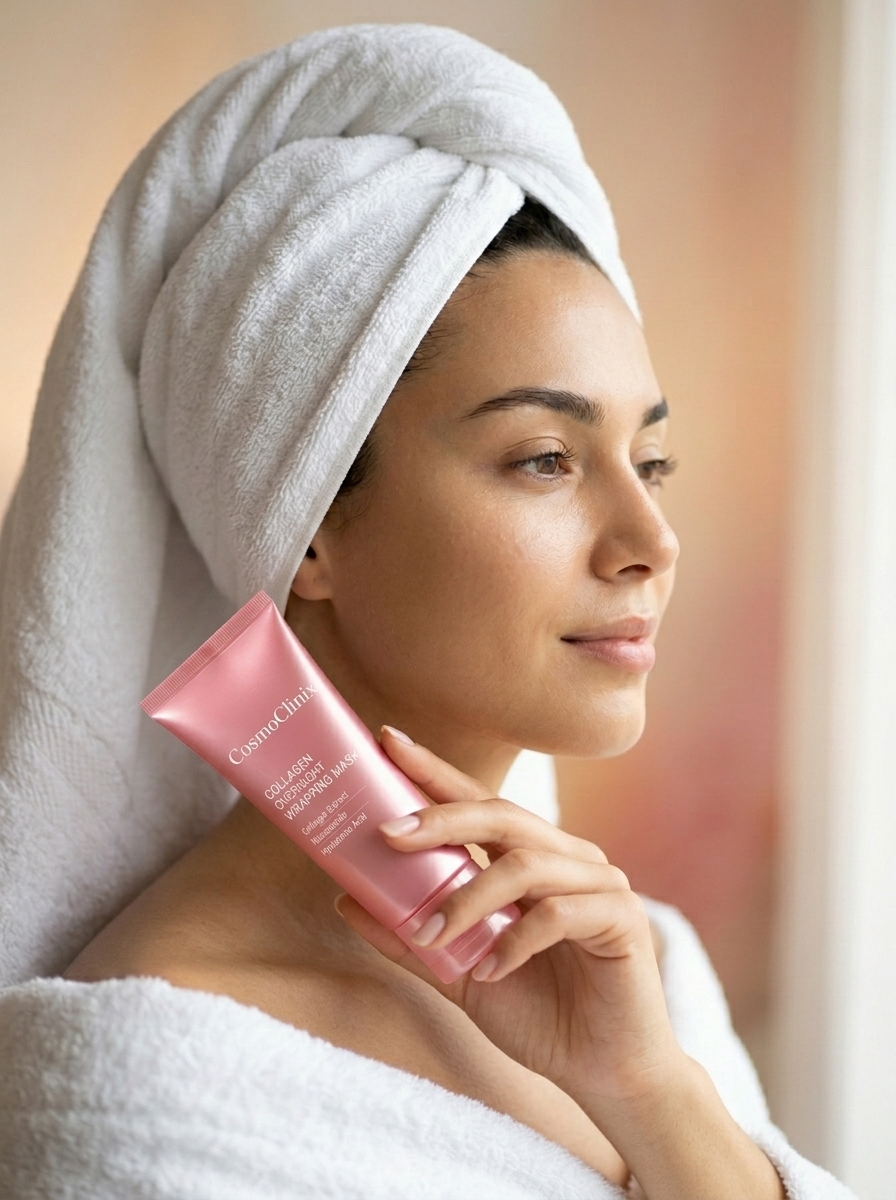
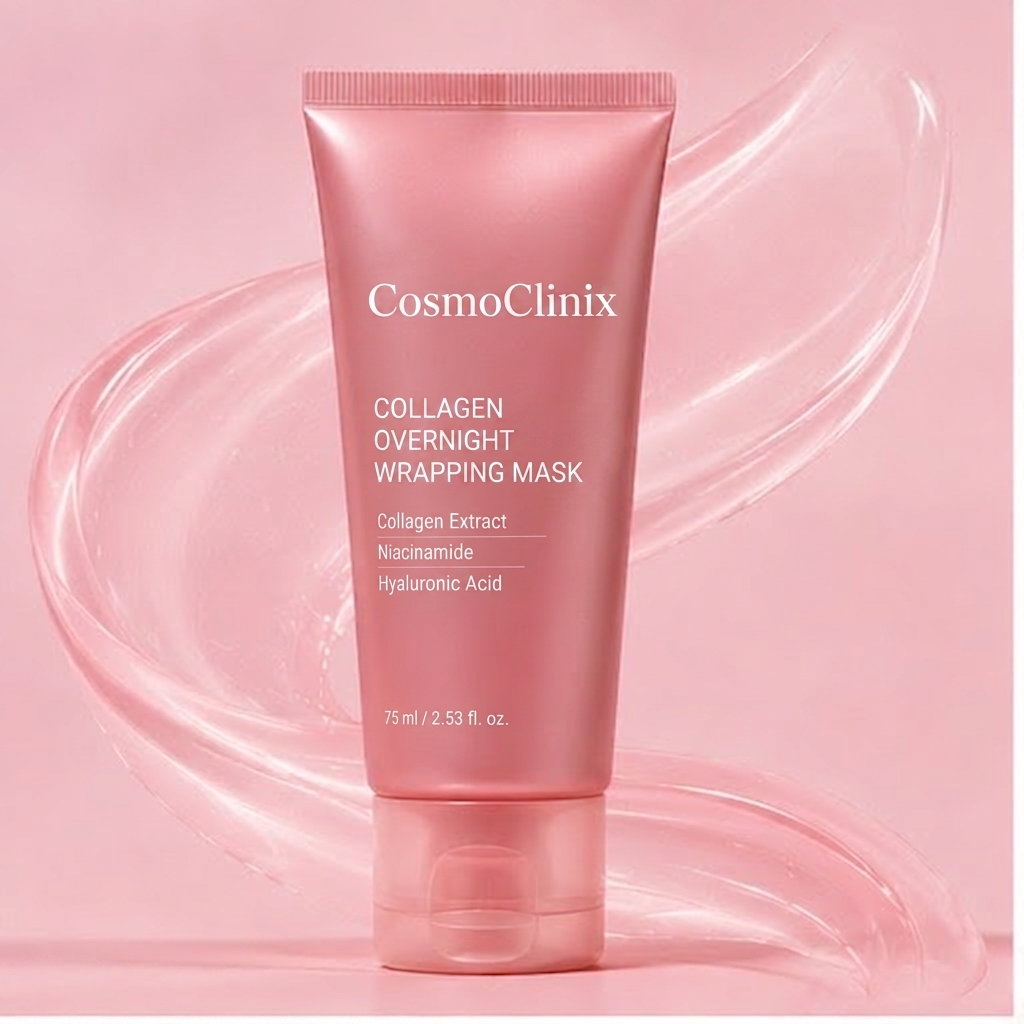
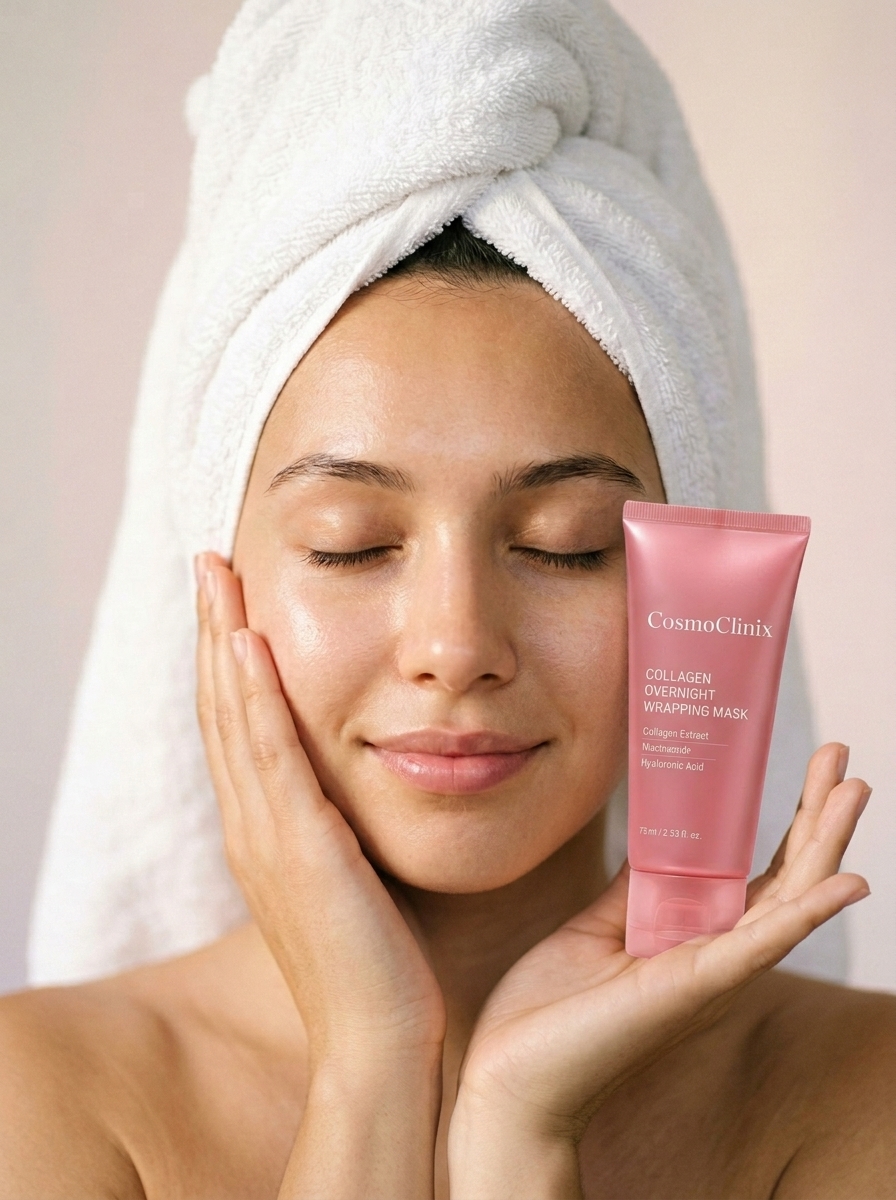
If you’re thinking of incorporating vegan collagen alternatives into your skincare routine, consider using a product like the Collagen Overnight Wrapping Mask from CosmoClinix. This mask, while not entirely vegan, is an excellent way to support skin hydration overnight thanks to its formulation of hydrolysed marine collagen, niacinamide, multi-weight hyaluronic acid, and ceramide NP. It effectively locks in moisture while you sleep, allowing your skin’s natural processes to rejuvenate.
For a comprehensive overnight skincare routine, layer the mask atop your usual serums to create a protective barrier while you sleep. This maximises hydration and ensures your skin is nourished and revitalised by morning.
Shop the mask for a luxurious overnight treatment.
Conclusion
Choosing vegan collagen alternatives can effectively enhance your skincare routine and yield noticeable results in your skin’s health and appearance. Whether through peptides, amino acids, or other plant-derived ingredients, embracing vegan skincare doesn’t mean sacrificing efficacy. It’s a step towards conscious beauty that nurtures your skin and aligns with your values.
Read more on the Journal for additional tips on enhancing your skincare routine!
FAQ
What are some effective vegan collagen alternatives?
Vegan collagen alternatives include peptides derived from plants, amino acids like glycine and proline, and ingredients such as rosehip oil and soy proteins that support collagen production in the skin.
How do vegan collagen alternatives work?
Vegan collagen alternatives work by stimulating the skin's natural processes to produce more collagen and improve moisture retention, which helps maintain skin elasticity and combat signs of ageing.
Can vegan collagen products provide the same benefits as animal-derived collagen?
While they may not contain collagen directly, vegan collagen products can promote the body’s own collagen production and offer additional hydration and skin protection, providing similar benefits without the use of animal products.