Why Overnight Masks Are Essential for Hydration
Understanding Transepidermal Water Loss
Transepidermal water loss (TEWL) is a natural process where moisture escapes from the skin's surface. Factors such as dry climates, air conditioning, and even your age can affect how much water your skin loses overnight. This is where the magic of overnight masks comes into play.
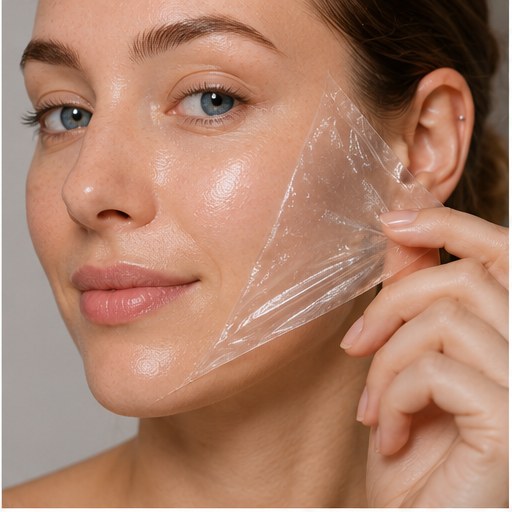
These occlusive treatments create a barrier that helps lock in moisture while you sleep, allowing your skin to stay hydrated and plump. Dermatologists often recommend using such products to combat moisture loss, particularly if you're in a dry environment or have skin prone to dryness.
Why Use an Overnight Mask?
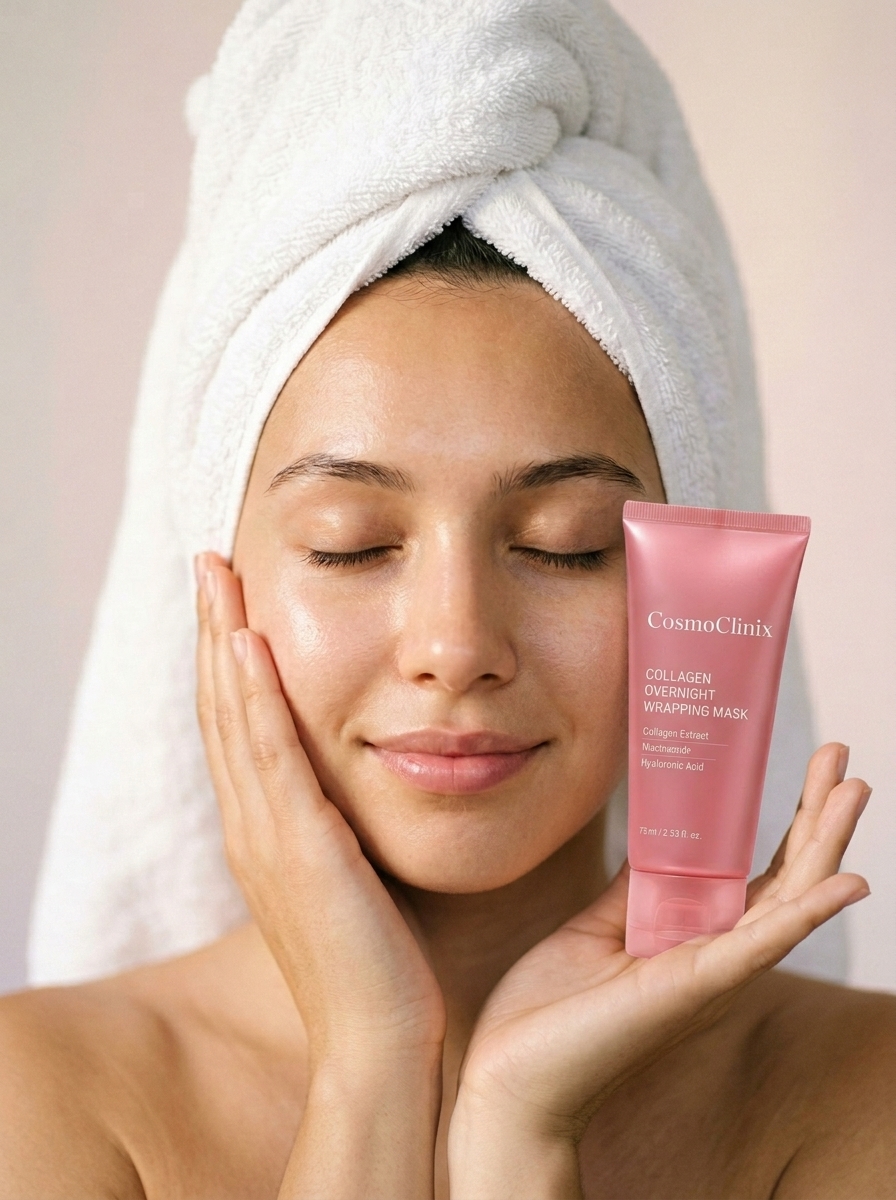
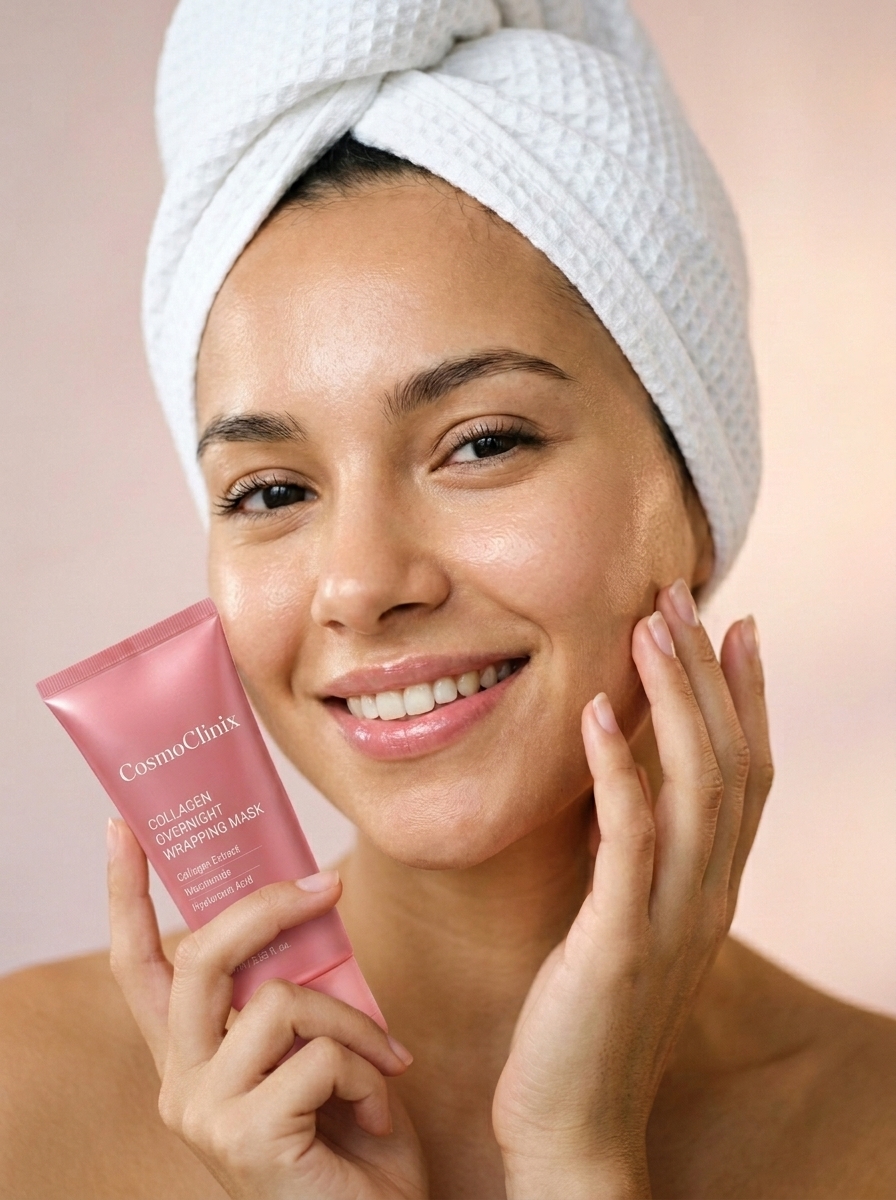
The primary purpose of an overnight mask is to provide an extra layer of hydration. Many contain ingredients specifically designed to nourish and strengthen the skin barrier. The Collagen Overnight Wrapping Mask, for example, harnesses the hydrating power of hydrolysed marine collagen, which can help improve skin elasticity.
When you sleep, your skin enters a repair mode, regenerating cells and repairing damage accumulated during the day. An overnight mask supports this natural process by creating a gentle barrier that keeps moisture from evaporating while enhancing the skin's ability to absorb beneficial ingredients.
Key Ingredients Explained
- Hydrolysed Marine Collagen: Collagen is vital for maintaining skin structure and elasticity. When applied topically, hydrolysed marine collagen helps replenish lost moisture and supports skin's firmness.
- Niacinamide: This form of vitamin B3 offers multiple skincare benefits, including reducing inflammation, improving the skin barrier, and regulating oil production. It works well, particularly for those with combination or oily skin while enhancing overall skin texture.
- Multi-weight Hyaluronic Acid: Hyaluronic acid is a humectant that can hold many times its weight in water. Multiform varieties penetrate different skin layers, ensuring hydration is delivered to the upper and deeper layers of the skin.
- Ceramide NP: Ceramides are lipids that form the skin's protective barrier, crucial in retaining moisture. Including ceramides in your overnight routine helps reinforce the skin barrier, thus reducing TEWL.
Incorporating Overnight Masks into Your Routine
Using an overnight mask doesn’t have to be complicated. Here’s a simple way to incorporate it into your existing skincare regimen:
- Cleanse: Start with a gentle cleanser to remove dirt and impurities.
- Tone: Use a hydrating toner to prep your skin for subsequent steps.
- Serum: Apply any serums that target specific skin concerns (like pigmentation or dullness) and allow them to absorb completely.
- Moisturise: If you typically use a night cream, apply it now.
- Apply the Overnight Mask: Finally, apply the Collagen Overnight Wrapping Mask evenly. Allow it to absorb while you sleep, waking up to radiant skin.
Conclusion
In summary, occlusive overnight masks are a crucial step in K-beauty routines, especially for those concerned about transepidermal water loss. By creating a moisture-retaining barrier and providing skin-replenishing ingredients, overnight masks like the Collagen Overnight Wrapping Mask can significantly elevate your skincare game.
Give it a try and enjoy waking up to hydrated, plump skin! Shop the mask and add this essential step to your routine for a boost of hydration.
FAQ
What is transepidermal water loss?
Transepidermal water loss refers to the natural evaporation of moisture from the skin surface. Factors like climate, skin type, and age can influence how much moisture your skin loses.
How often should I use an overnight mask?
You can use an overnight mask 2 to 3 times a week, depending on your skin's needs. If your skin feels particularly dry or dehydrated, using it more frequently can be beneficial.
Can I use an overnight mask with other skincare products?
Yes, overnight masks can be used alongside other skincare products. However, it’s best to apply them as the final step in your nighttime routine to maximise hydration and moisturisation. Read more on the Journal